

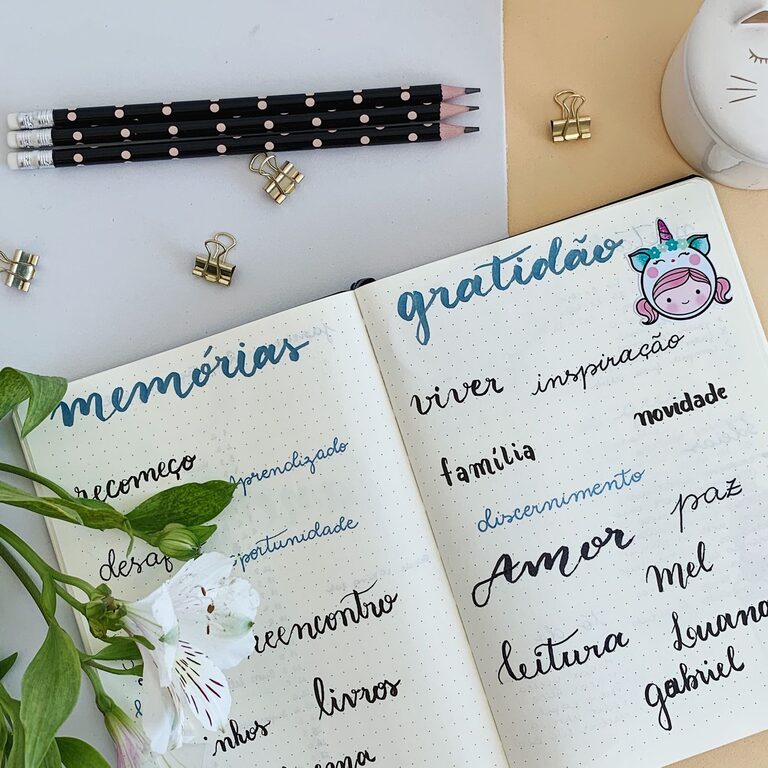
Gratitude journaling is a powerful and accessible way to improve your mental wellbeing and cultivate a positive outlook on life. By regularly writing down things you are grateful for, you can shift your focus away from stress or negativity and appreciate the good around you. If you’re new to this practice, starting a gratitude journal might feel a little daunting, but it’s simpler than you think. This guide will help you understand what a gratitude journal is, why it’s beneficial, and the steps to begin your own journaling routine.
What is a Gratitude Journal?
A gratitude journal is a personal diary or notebook dedicated to recording things you feel thankful for. These can be events, people, moments, or even qualities about yourself or your surroundings. Unlike a regular diary, the focus is exclusively on recognising and appreciating the positive aspects of your life.
Why Keep a Gratitude Journal?
The simple act of writing down gratitude has been linked to various benefits, such as:
– Improved mood: Focusing on positive experiences can boost happiness and reduce feelings of anxiety or depression.
– Better sleep: Reflecting on what you are grateful for before bedtime may promote restful sleep.
– Stronger relationships: Acknowledging the kindness of others can deepen your connection with friends and family.
– Increased resilience: Gratitude helps build emotional strength to cope with adversity.
– Greater mindfulness: It encourages paying attention to everyday pleasures and moments often overlooked.
Getting Started: What You’ll Need
Before you begin, gather a few simple tools:
– A journal or notebook: Choose one that feels inviting. It can be as plain or decorative as you like.
– Writing instrument: Preferably a pen or pencil you enjoy using.
– A quiet space: Find a comfortable spot free from distractions, where you can write peacefully.
– Time: Set aside 5 to 10 minutes daily or several times a week.
Step-by-Step Guide to Starting Your Gratitude Journal
1. Pick Your Journal Style
Decide whether you want a physical notebook or prefer a digital journal (apps, documents). Some people enjoy hand-writing for its mindful qualities, while others like the convenience of typing on their phone or computer.
2. Set Realistic Goals
Start small to avoid feeling overwhelmed. For example:
– Write 3 things you’re grateful for each day.
– Record gratitude 3 times a week.
– Write a short sentence or phrase instead of a long paragraph.
Consistency is more important than volume.
3. Choose a Regular Time to Write
Link journaling to an existing routine, such as:
– First thing in the morning to set a positive tone.
– Before bed to reflect on the day.
– During a lunch break for a mental reset.
4. Keep It Simple and Specific
Instead of vague entries like “I’m grateful for my family”, try to be more precise:
– “I’m grateful for my sister who called me today.”
– “I’m thankful for the sunny walk I took this afternoon.”
Specificity helps deepen your appreciation.
5. Mix It Up
To keep journaling interesting, try different approaches like:
– Writing about something new each day.
– Reflecting on the small things (a good cup of tea, a smile from a stranger).
– Including a gratitude prompt (e.g., “What made me smile today?”).
– Adding drawings or photos.
6. Honour Your Feelings
It’s okay if some days feel harder to find gratitude. Write honestly, and don’t force positivity. Sometimes acknowledging challenges alongside gratitude can help you find balance.
Tips to Make Gratitude Journaling a Habit
– Keep your journal visible: Place it somewhere you’ll see daily to remind you.
– Set a timer: Dedicate a specific time slot so it becomes routine.
– Pair it with another habit: For example, journal after tea or brushing your teeth.
– Share your gratitude: Tell a friend or family member about something you’re thankful for.
– Be patient: The benefits build over time, so keep going even if it feels awkward at first.
Common Challenges and How to Overcome Them
– Writer’s block: Use prompts or lists to jumpstart writing.
– Forgetfulness: Use phone reminders or sticky notes.
– Feeling repetitive: Explore different aspects of life to appreciate.
– Lack of motivation: Reflect on how journaling makes you feel after several sessions.
Final Thoughts
Starting a gratitude journal is a simple yet powerful step towards improving your wellbeing. It invites you to slow down, reflect, and notice the good in your life. By following the steps above and making journaling a regular habit, you’ll soon find that gratitude naturally becomes part of your daily mindset.
Remember, there’s no right or wrong way to keep a gratitude journal. Make it personal and enjoyable, and watch how this small practice can lead to big changes in your outlook and happiness. Why not start today? Grab a notebook, find a quiet spot, and write your first three things you’re grateful for. Your future self will thank you.