

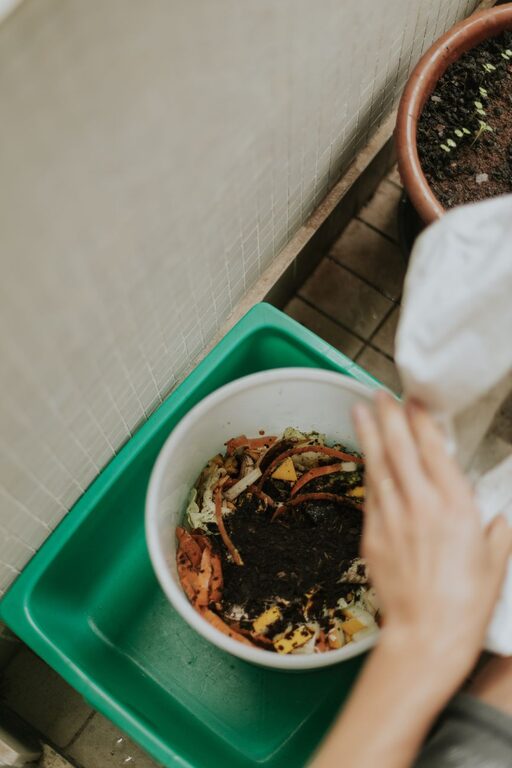
Composting is a fantastic way to reduce waste, enrich your garden soil, and contribute to a healthier environment. For beginners, starting a compost pile or bin might seem a bit daunting, but with a few straightforward tips, you can easily set up and maintain a successful compost system at home. This guide will walk you through the basics and help you get started on your composting journey.
What is Composting?
Composting is the natural process of recycling organic matter, such as vegetable scraps, grass clippings, and leaves, into a rich soil amendment known as compost. It’s an eco-friendly way to manage household and garden waste and supports soil health by improving its structure and nutrient content.
—
Why Compost at Home?
– Reduce landfill waste: Organic waste makes up a significant portion of household rubbish. Composting cuts down the amount you send to landfill.
– Improve garden soil: Compost feeds your plants and improves soil moisture retention.
– Save money: Reduce the need to buy commercial fertilisers and soil conditioners.
– Help the environment: Composting lowers methane emissions from landfills and recycles nutrients.
—
Choosing the Right Composting Method
There are various ways to compost at home, so find one that suits your space and lifestyle.
1. Compost Bin
– Ideal for small to medium gardens.
– Enclosed bins help keep pests away.
– Available in various sizes and materials, including plastic and wood.
2. Compost Pile
– Best for larger gardens with plenty of space.
– Simply create a heap of organic waste in a corner of your garden.
– Needs periodic turning to aerate.
3. Tumbler Composters
– Cylindrical bins that can be rotated easily.
– Speeds up the composting process by aerating materials regularly.
– Suitable for people wanting faster results and easier maintenance.
—
What to Compost: The Basics
Successful composting depends on balancing two types of materials:
Greens (Nitrogen-rich)
– Fruit and vegetable scraps
– Coffee grounds and tea bags
– Fresh grass clippings
– Plant trimmings
Browns (Carbon-rich)
– Dry leaves and twigs
– Straw and hay
– Shredded cardboard and newspaper (non-glossy)
– Sawdust and wood chips (untreated)
Try to maintain roughly a 2:1 ratio of browns to greens to keep your compost healthy.
—
What Not to Compost
Avoid adding the following to your compost to prevent odours, pests, or harmful effects:
– Meat, fish, bones, and dairy products
– Cooked food or oily leftovers
– Diseased plants or weeds with seeds
– Pet waste or cat litter
– Synthetic materials like plastics or metals
—
How to Start Your Compost
Step 1: Choose a Location
Pick a dry, shady spot near your garden or kitchen for easy access. Good drainage and airflow are important.
Step 2: Prepare the Base
Start with a layer of coarse material like twigs or straw to promote airflow at the bottom.
Step 3: Add Layers
Alternate layers of greens and browns, ensuring the right balance. Chop or shred larger items to speed decomposition.
Step 4: Keep it Moist
Your compost should feel like a damp sponge—not too dry or soggy. Water it lightly if it’s too dry, or add more brown materials if too wet.
Step 5: Turn Your Compost
Aerate by turning the pile every few weeks with a garden fork or compost aerator. This helps speed up the breakdown process and reduces odours.
—
Troubleshooting Common Composting Issues
– Bad smells: Usually mean excess moisture or too many greens. Add more browns and turn the compost.
– Slow breakdown: Pile may be too dry, too dense, or missing nitrogen-rich materials. Check moisture and balance ingredients.
– Pests: Avoid meat and dairy. Use an enclosed bin or cover your compost with a layer of browns.
– Compost too wet: Add dry materials and turn the pile to improve airflow.
—
Using Your Finished Compost
Your compost is ready when it’s dark, crumbly, and earthy-smelling, usually after a few months. Use it to:
– Enrich garden beds and borders
– Top up pots and containers
– Mulch around plants to retain moisture
– Feed lawn and indoor plants
—
Extra Tips for Composting Success
– Use a compost thermometer to monitor the temperature, aiming for 40-60°C to kill weed seeds and pathogens.
– Collect kitchen scraps in a small container with a lid to reduce trips to your compost area.
– Consider worm composting (vermicomposting) if you live in an apartment or want to compost indoors.
– Stay patient; composting is a natural process, and results improve with experience.
—
Composting at home is a rewarding and environmentally friendly way to manage waste and nurture your garden. By following these beginner tips and keeping an eye on your compost pile, you’ll soon enjoy rich, homemade compost that benefits both your plants and the planet. Happy composting!